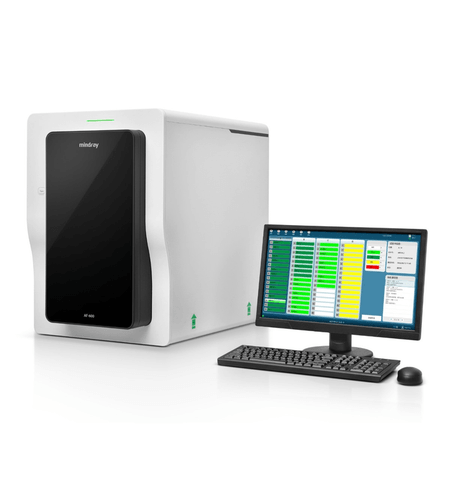
AF-600 / AF-300
Automated ID and AST System
32 or 64 specimens at once · 200+ antimicrobials · Results from 4 to 5 hours
Request quote →
Microbiology is where antimicrobial stewardship starts: the ward needs the organism named and its susceptibilities reported before empiric therapy can be narrowed. Framar supplies the Mindray microbiology range, blood culture systems that recover the organism and identification and susceptibility systems that name it and test it, with the multidrug-resistance flags an infection-control committee reports on.
A working microbiology bench needs both halves, recovery and identification, so size the blood culture capacity against your sepsis workload and the ID and AST system against how many isolates reach the bench each day.
| System | What it does | Capacity | Typically suits |
|---|---|---|---|
| AF-600 / AF-300 | Identification and susceptibility testing | 32 or 64 specimens at once, 200+ antimicrobials | Hospitals reporting AST and resistance mechanisms daily |
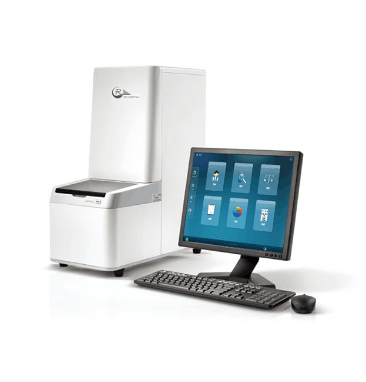
| TDR-300B Plus | Identification and susceptibility testing | ID, AST and combo test cards | Laboratories establishing a microbiology bench |
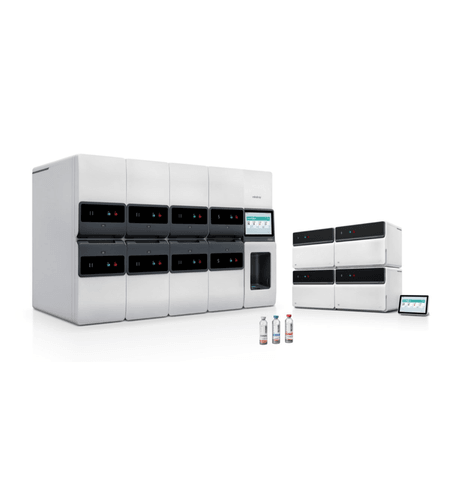
| FA-N Series | Automated blood culture | N60, N120 and N240 units, plus expansion units | Hospitals with a significant sepsis workload |
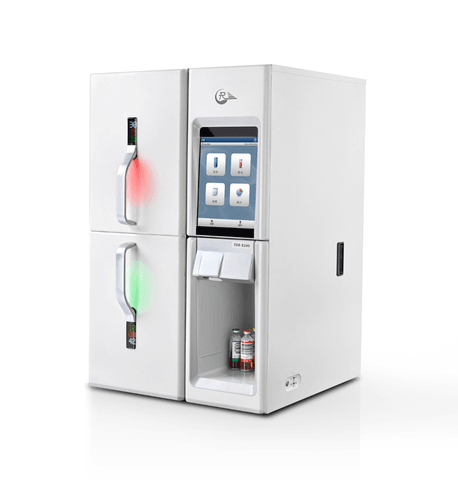
| TDR Blood Culture System | Automated blood culture | Up to 10 incubators, expanded as volume grows | Laboratories growing blood-culture volume in steps |
Blood culture, organism identification and antimicrobial susceptibility testing, with the multidrug-resistance flags an infection-control committee reports on.
Culture bottles, identification and susceptibility test cards, control strains and consumables are supplied for every system we install, scheduled against your specimen load so a stock-out never delays a culture.
Every unit is delivered, installed and performance-verified on site, with hands-on training for your medical technologists and scheduled preventive maintenance afterwards, all by Framar engineers. See what our service covers.
In practice, two things: a blood culture system to recover the organism, and an identification and susceptibility system to name it and test it against antimicrobials. The FA-N Series or TDR blood culture system covers the first, the AF-600/300 or TDR-300B Plus the second. We will size both against your expected specimen load before quoting.
The AF-600/300 reads its test cards on a 20-minute cycle and can produce identification and susceptibility results in four to five hours at the fastest, against the overnight incubation a manual method needs. Actual time depends on the organism.
Yes. Both platforms flag the resistance phenotypes an infection-control committee reports on, including ESBL, CRE, MRSA, VRE and PRSP, so the result that reaches the ward carries the same information you would report to your antimicrobial stewardship program.
Tell us your test menu and daily volume and we will size the analyzer against it before quoting.